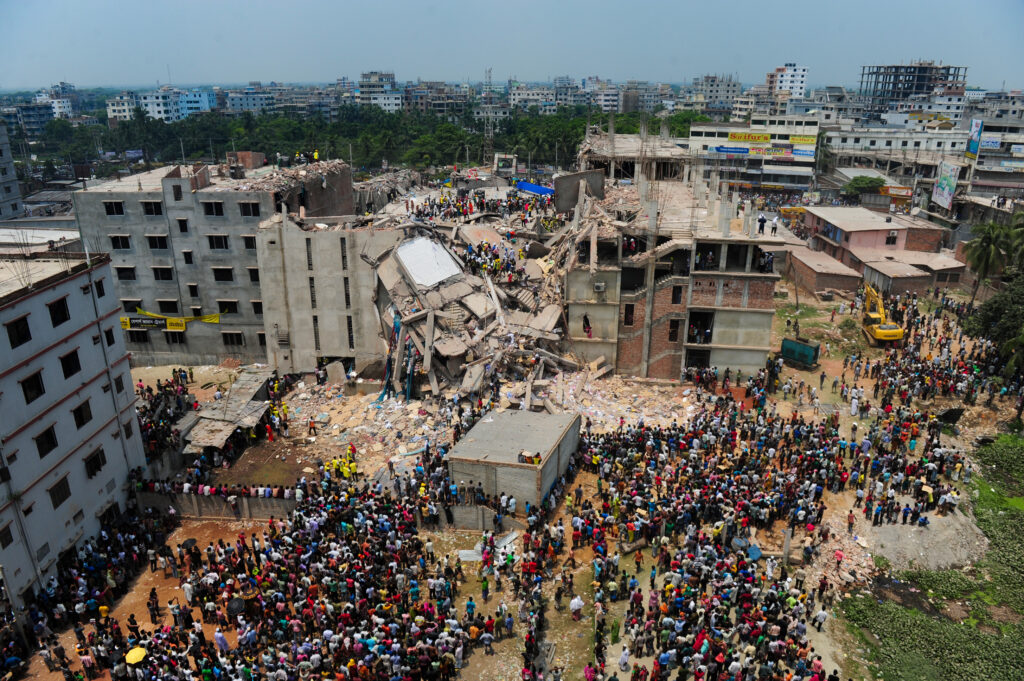
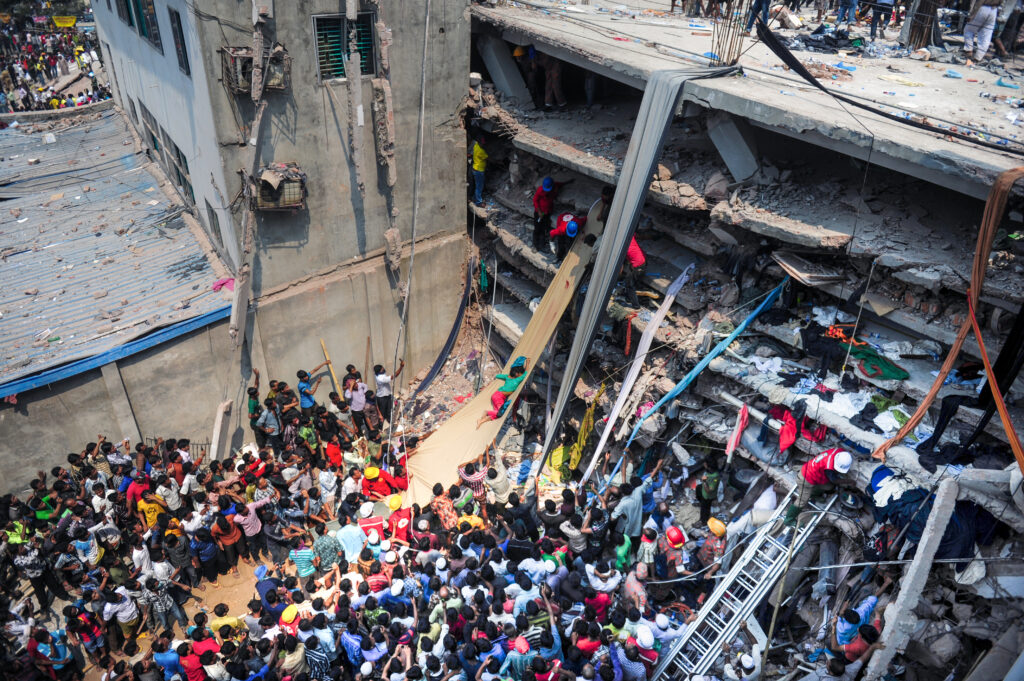
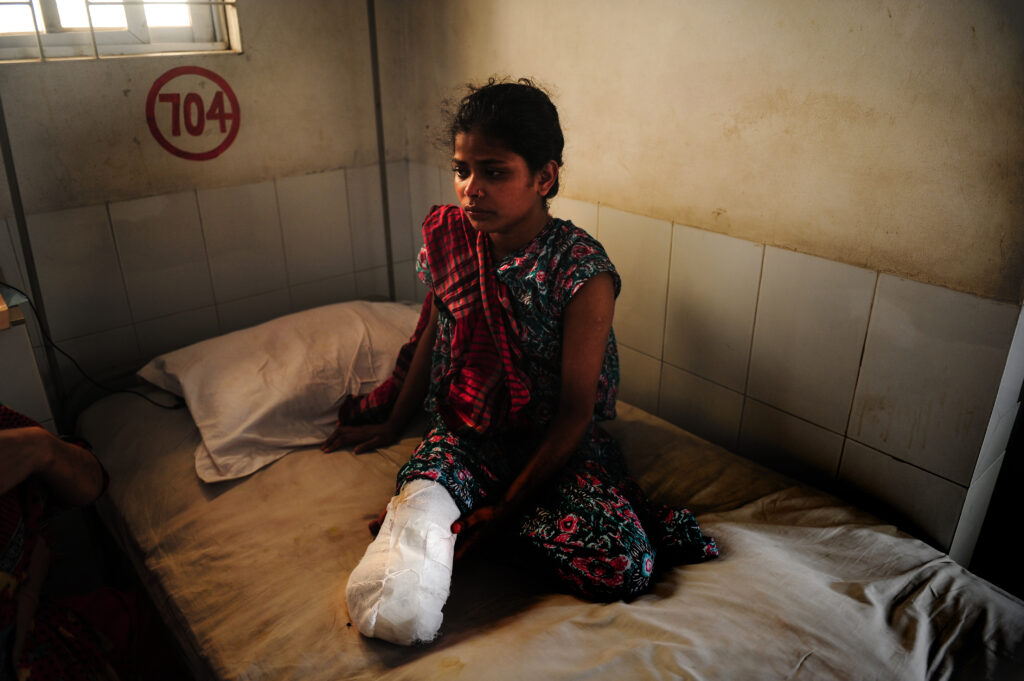
On April 24, 2013, the collapse of the Rana Plaza building in Savar, Bangladesh, became one of the deadliest industrial disasters in modern history. In less than two minutes, more than 1,100 garment workers lost their lives and thousands more were injured after an eight-storey building housing several garment factories crumbled into concrete and steel. Despite visible cracks appearing the day before, many workers returned because missing a day’s wage was a luxury they could not afford.
The tragedy exposed the hidden human cost behind the global fashion industry. The hands that stitched clothes for millions around the world belonged to ordinary people with extraordinary dreams. Mothers and fathers, sons and daughters who left home believing it would be another day at work, never knowing they would never return. Rana Plaza became more than a collapsed building. It became a symbol of the price workers can pay when safety is sacrificed for production and profit.
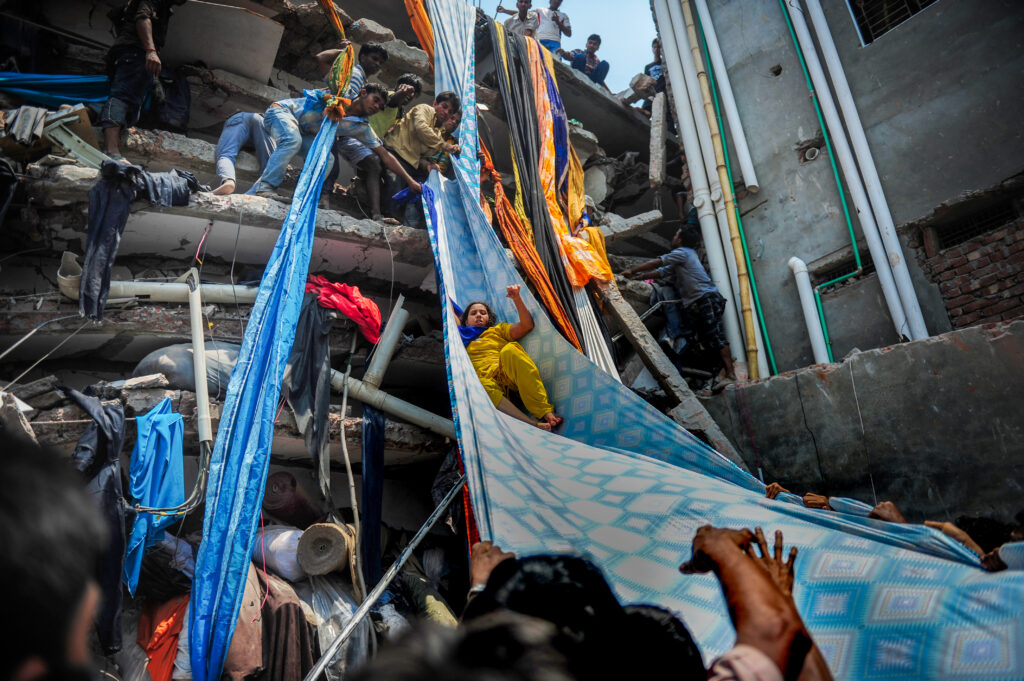
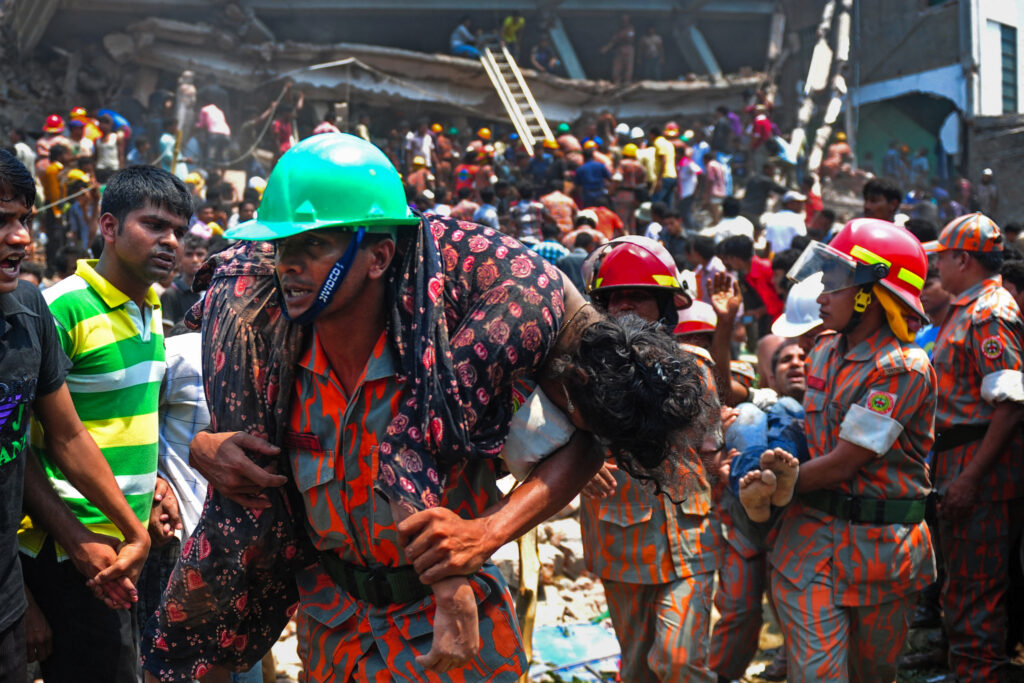
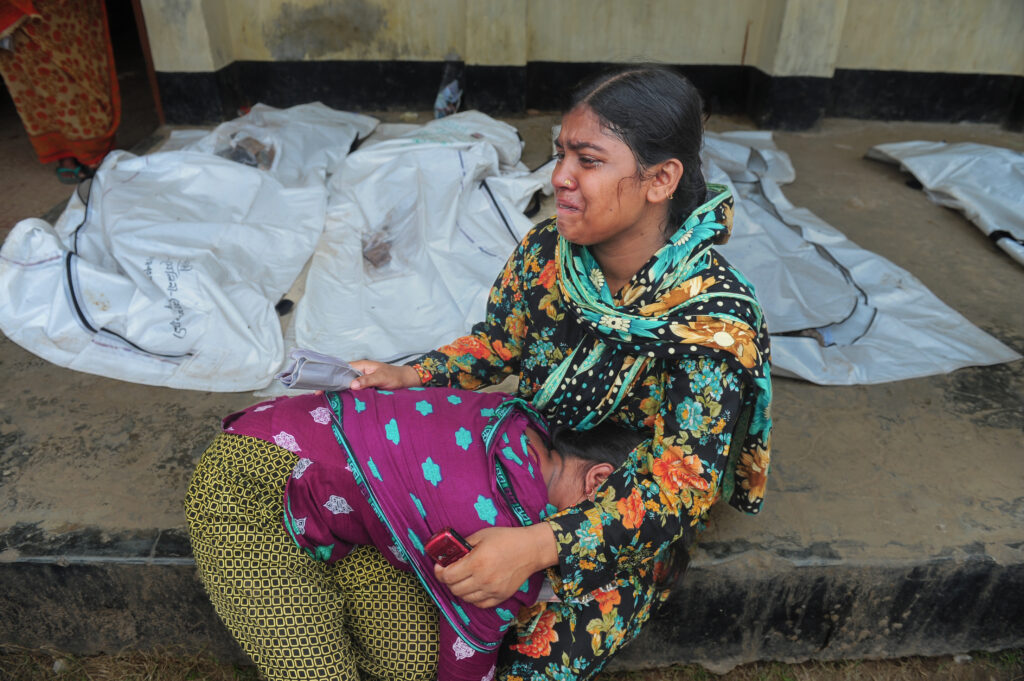
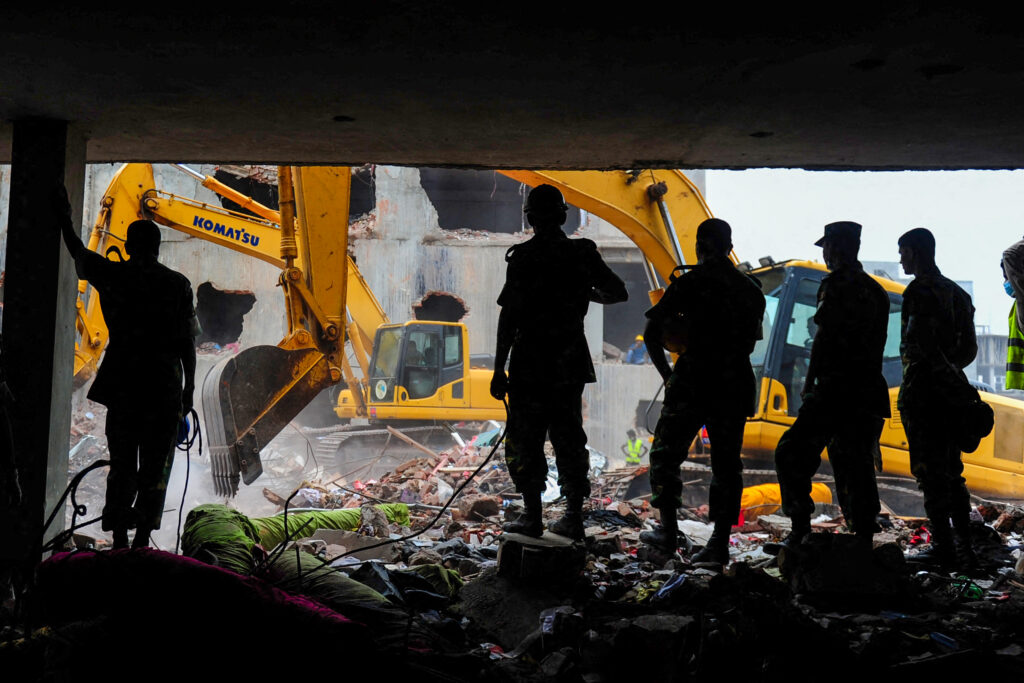
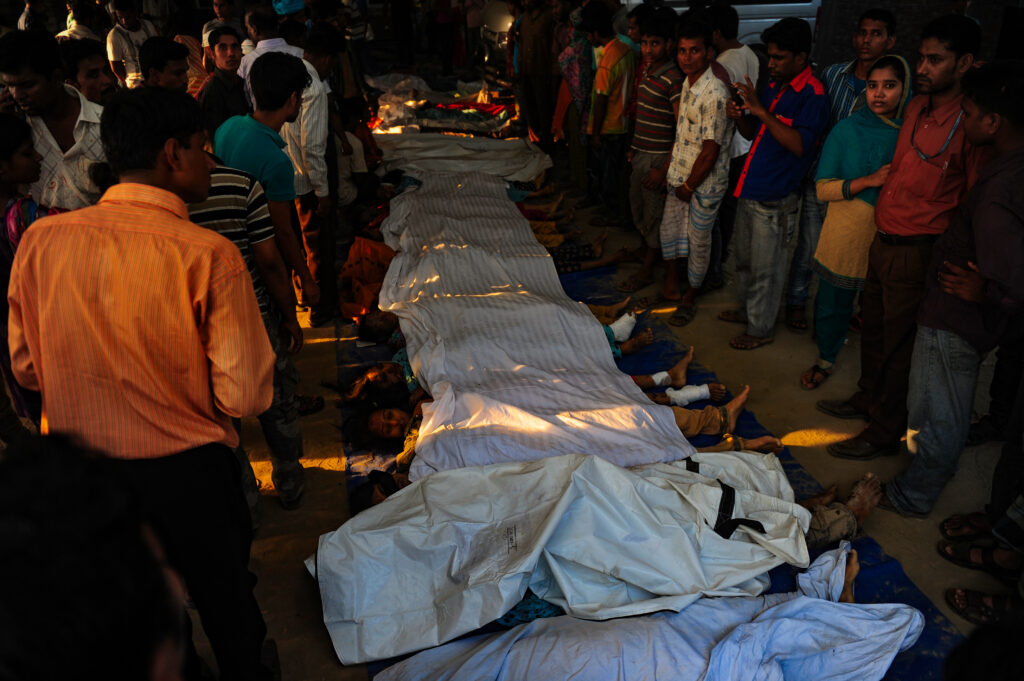
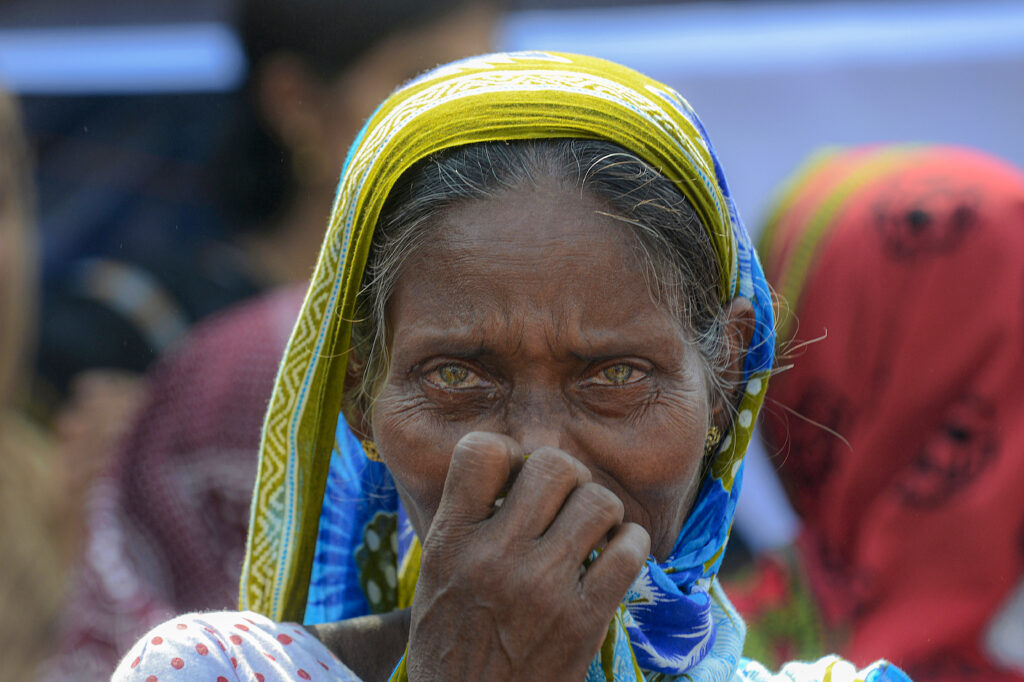
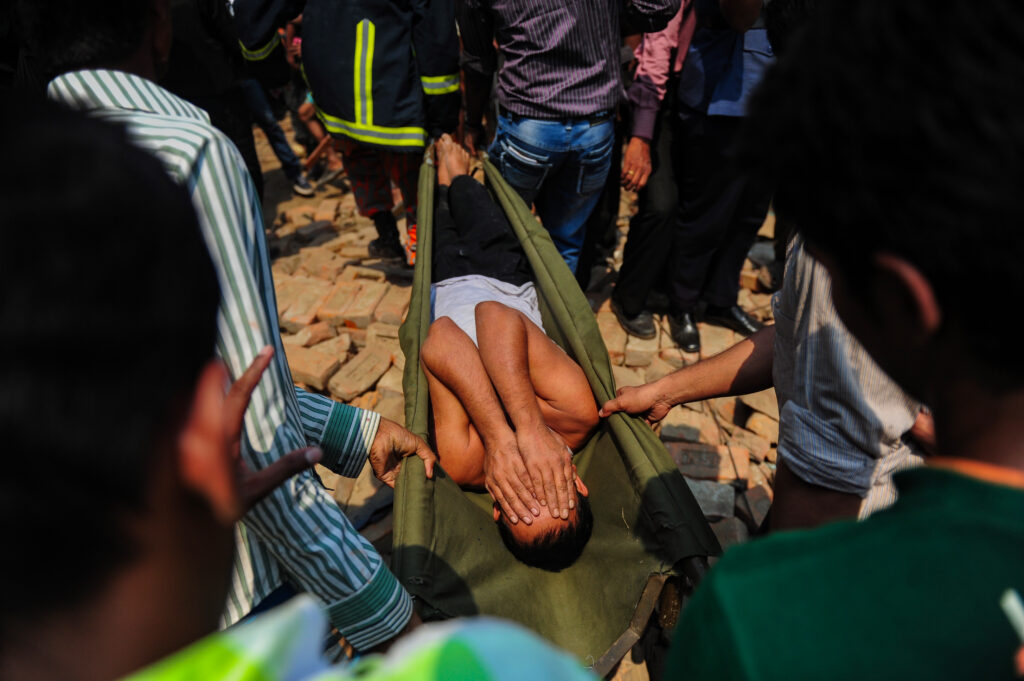
Yet amid the devastation, another story emerged. Firefighters, soldiers, volunteers, medical workers, and ordinary citizens worked day and night, risking their own lives to pull survivors from the rubble. Families waited in hope and despair, searching hospitals, makeshift morgues, and endless lists of names. Across the ruins, courage, compassion, and humanity endured even in the face of unimaginable loss.
More than a decade later, Rana Plaza remains a defining moment in Bangladesh’s history and a turning point in the global conversation about workers’ rights and factory safety. It reminds us that every garment carries the story of the person who made it, and that behind every label is a human life deserving of dignity, protection, and respect. The lessons of Rana Plaza must never be forgotten, because remembrance is the first step toward accountability, and accountability is the foundation of safer workplaces for generations to come.